 Built in The Workshop
The Commuter Read
This is the short version. For the tables, the statistics and the complete references, read the full inquiry: The Price Tag of Feeling Healthy: Germany vs. Romania →
Mr Smith Shorts
One commute. Now it makes sense.
Mr Smith and Yellow are a team. She’s out in the field, chasing numbers. He stays at home and reads them.
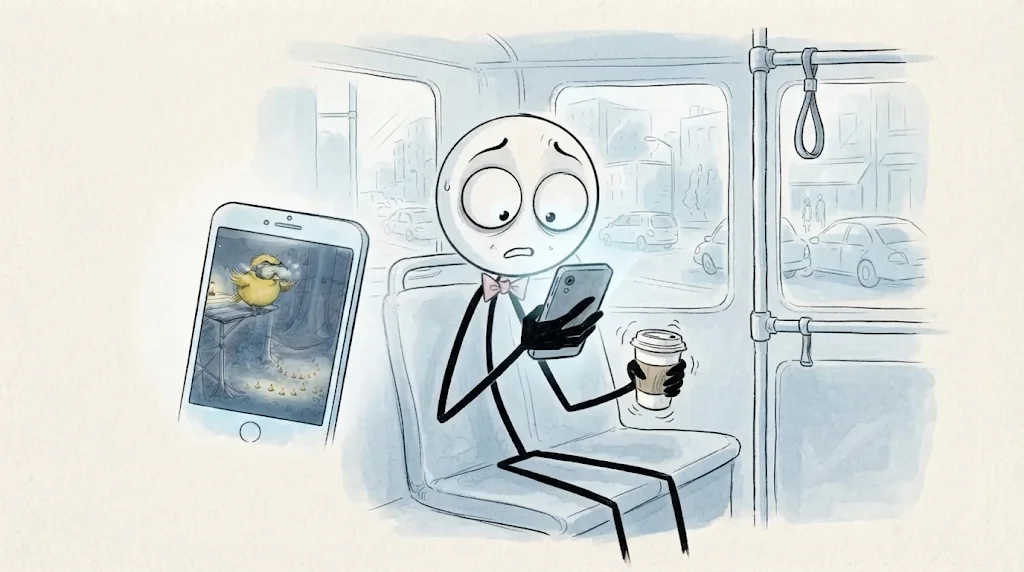
This morning, on the bus, Mr Smith is swiffering through his phone. (His word for scrolling: back and forth, back and forth, like a duster that never actually cleans anything.)
Yellow sent him two numbers last week.
Germans spend $9,365 a person on health. Romanians spend $2,311. (PPP dollars: already adjusted for local prices.) Yet fewer Germans say their health is good: 64.6%, against 75.5% of Romanians.
For every percentage point of feeling healthy, Germany pays $144.97. Romania pays $30.62.
Nearly five times more. For less.
Yellow has a theory: it’s the family.
In Germany, families work like a launchpad. You leave home young, fly solo, and trust the state to catch you if you fall. In Romania, families work like a fortress. Everyone stays close, and the family catches you.
So Yellow is testing both. Germany first.
Last night at 23:47, her status changed:
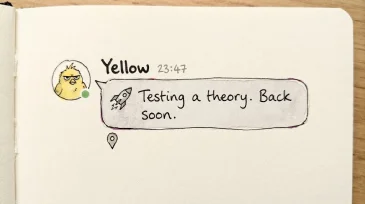
She sent a video too. Mr Smith presses play.
Night. A launchpad. Safety nets, a ring of traffic cones and a very sensible man with a clipboard. And on the very edge, wobbling: Yellow. Night-vision goggles misted up.
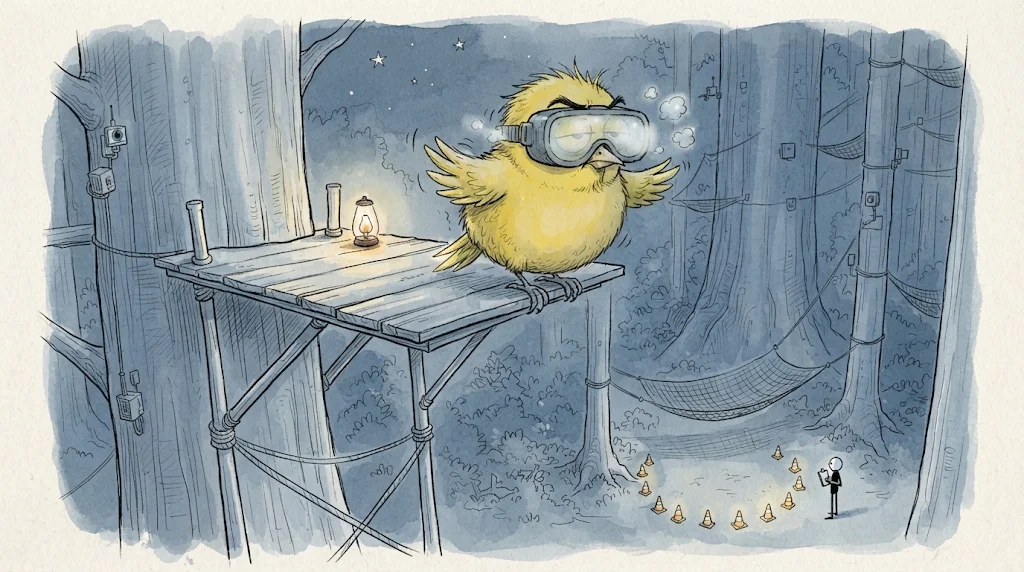
She jumps.
Her wings are less songbird and more Sunday roast chicken. She knows it. She jumps anyway.
The video ends.
Part 1
Clue one: the launchpad
His phone rings. Yellow, in a German hospital, bandaged from beak to tail, in grumpy, snotty tears.
“Smithy.” Sniff. “The machines are amazing. The scans took ten minutes. The results came through on an app at 2am.” Sniff. “And nobody’s come. Not one visitor. I’m billy no mates in a beeping room. I’ve had enough.”
She’s coming home on the next flight. He’s to pick her measly ass up from the airport.
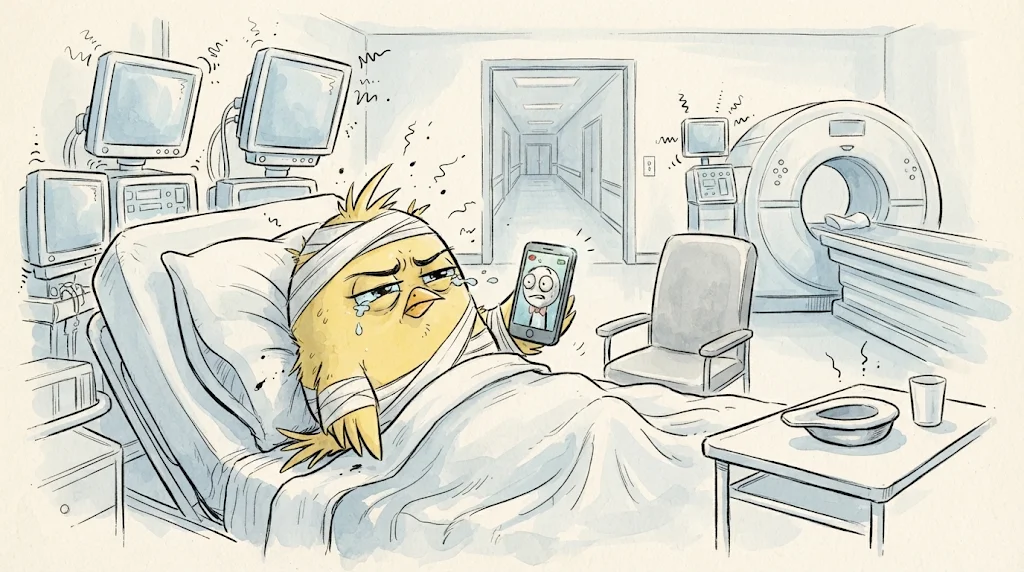
Mr Smith looks it up. Germany isn’t short of scanners, hospital beds or doctors. Yet 62% of Germans say the biggest problem with their health system is a lack of staff.
Mr Smith raises an eyebrow. The missing people aren’t nurses. They’re visitors. In 2020, more than one in four German adults often felt lonely, and the over-75s feel it most.
The machine is brilliant. It just doesn’t sit by the bed.
Part 2
Clue two: the fortress
Next day, Mr Smith checks in on her. She’s gone. Checked out.
The nurses forward her parting message: “YOUHAAA! Off to check out Dracula’s castle. Don’t wait up. Y.”
Oh. The mission is still on.
Mr Smith crosses his hopes and shares his hearts, and prays to goodness she holds together in one piece until she’s done. Stubborn little muppet.
The photos start landing within the hour. Yellow limping up a hill, bandages unravelling, one eye swollen black. A bowl of soup. Someone arguing about her bandages. An aunt nobody has met, planning a party.
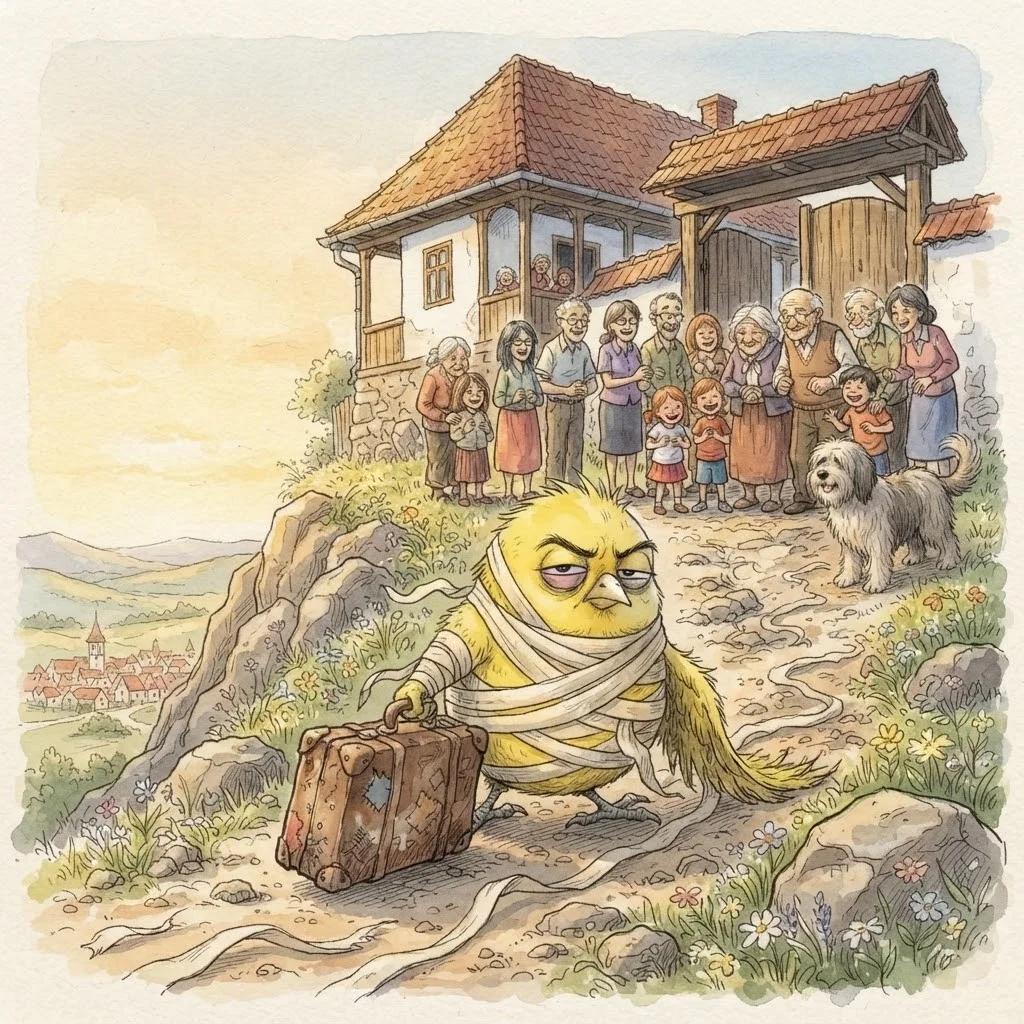
Mr Smith checks the numbers. Young Romanians leave home three years later than Germans. Among the over-80s, 1 in 8 Germans live in a care home. In Romania, it’s fewer than 1 in 100. On a Romanian ward, relatives bring the food and stay the night.
Mr Smith tries to remember the last time he rang his mum.
Part 3
Clue three: the catch
But feeling healthy isn’t the same as being healthy.
Romanians live no more healthy years than the EU average. And deaths from diabetes and lung disease are rising: illnesses that get worse when nobody catches them early.
The fortress has a price, too. When everyone relies on family, nobody pushes to fix the public hospitals.
04 The Open Door · The takeaway
Germany buys its healthcare. Romania inherits its resilience. Mr Smith can only watch.
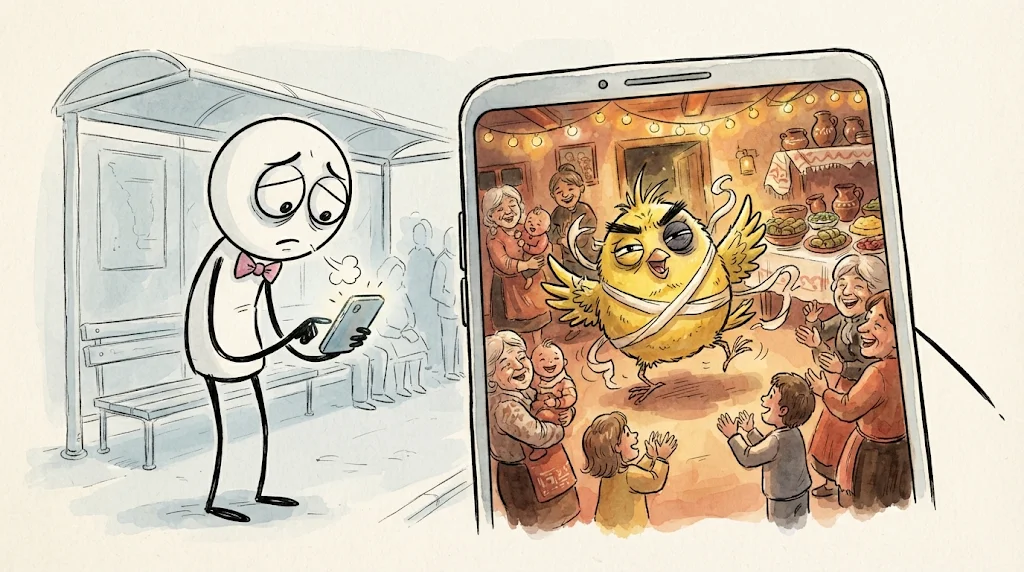
One last video lands. Yellow on the dance floor. Bandages swinging. Limping. Grinning.
Nobody has called a doctor.
Mr Smith sighs.
He types: Come home soon. Bring stories.
Then he rings his mum.

05 The Song · Over to you
Over to you
What’s your verdict?
You've just fallen off a launchpad. Where are you recovering?
Tap an answer to vote. Anonymous, no cookies.
2 votes so far · 50% The Launchpad · 50% The Fortress
See every verdict →The Dossier · Primary sources
The Money (OECD)
- Perceived Health Status Dataset
Source Organization: OECD Data Explorer
Dataset Name: Perceived health status (Identifier: DSD_HEALTH_STAT@DF_PHS)
Annual observations for 2024, measuring crude rate percentage of population aged 15+ reporting “Good” or “Very Good” health across 30 reference areas. Direct Access Link: OECD Data Explorer – Perceived Health Status - Health Expenditure Dataset
Source Publication: OECD (2025), Health at a Glance 2025, OECD Publishing, Paris.
Report Section: Health expenditure per capita (Figure 7.4)
Health expenditure per capita in USD PPP, tracking total structural medical investments for reporting year 2024. Direct Access Link: OECD Health at a Glance 2025 – Health Expenditure Per Capita
The Launchpad (Germany)
- Medical Imaging Density: Eurostat 2024 (hlth_rs_medim)
CT scanners and MRI units (Germany 3,170 vs. 586 total units) per 100,000 population. - Hospital Beds in NUTS2 Regions: Eurostat 2024 (hlth_rs_bdsrg2)
Available hospital beds across regional sectors. - Health Personnel: Eurostat 2024 (hlth_rs_prs2) & EU Hospital Bed Count Report (July 13, 2026)
Physicians, nurses, and regional bed density metrics. - German Federal Ministry for Family Affairs (2024): Einsamkeitsbarometer 2024 (Loneliness Barometer)
Long-term loneliness in Germany from SOEP panel data, 1992–2021: about 8% in 2017, 28% in 2020, 11% in 2021; the over-75s are most affected. - IPSOS Health Service Report 2025: Ipsos (2025)
Cross-country healthcare perceptions and crisis indicators.
The Fortress (Romania)
- Leaving the Parental Household: EUROSTAT: yth_demo_030 (2025)
Estimated average age: Romania 27.4 yrs, Germany 24.1 yrs (EU average 26.3 yrs). - United Nations Population Division: Database on Older Persons in Collective Living Quarters (2022)
Harmonised data on patterns and trends of older persons residing in group quarters across 135 countries. - Patient Satisfaction with Hospital Services: Bihor County Emergency Hospital Study (MDPI, 2025)
Perspectives on hospital services and family accompaniment in Romania. - EUROSTAT Healthy Life Years, 2024: hlth_hlye__custom_23003950
Healthy life years by sex (from 2004 onwards). - Romanians’ Health, Between Perception and Reality: CES Bucharest (2025/26)
10% increase in chronic disease impact and decreasing family doctor accessibility. - Alberto Alesina & Paola Giuliano: “Family Ties,” NBER Working Paper No. 18966 (later in Handbook of Economic Growth, 2014).
Pulls data directly from the World Values Survey (WVS) and European Social Survey (ESS). Direct quote reference pp. 12-13.
Want to go deeper? The full inquiry, with the tables, statistics and complete references: The Price Tag of Feeling Healthy →
Community Dispatch
The Commentary
We’ve met the fortress and the launchpad, but what about the other weird and wonderful family set-ups? Boomerang satellite families? Commuter clans? I’m convinced every country has its own flavour. Tell me about yours.
Answer the question, share a story, or just tell me what you thought.
Zero cookies, no accounts, no tracking.
Leave a Reply